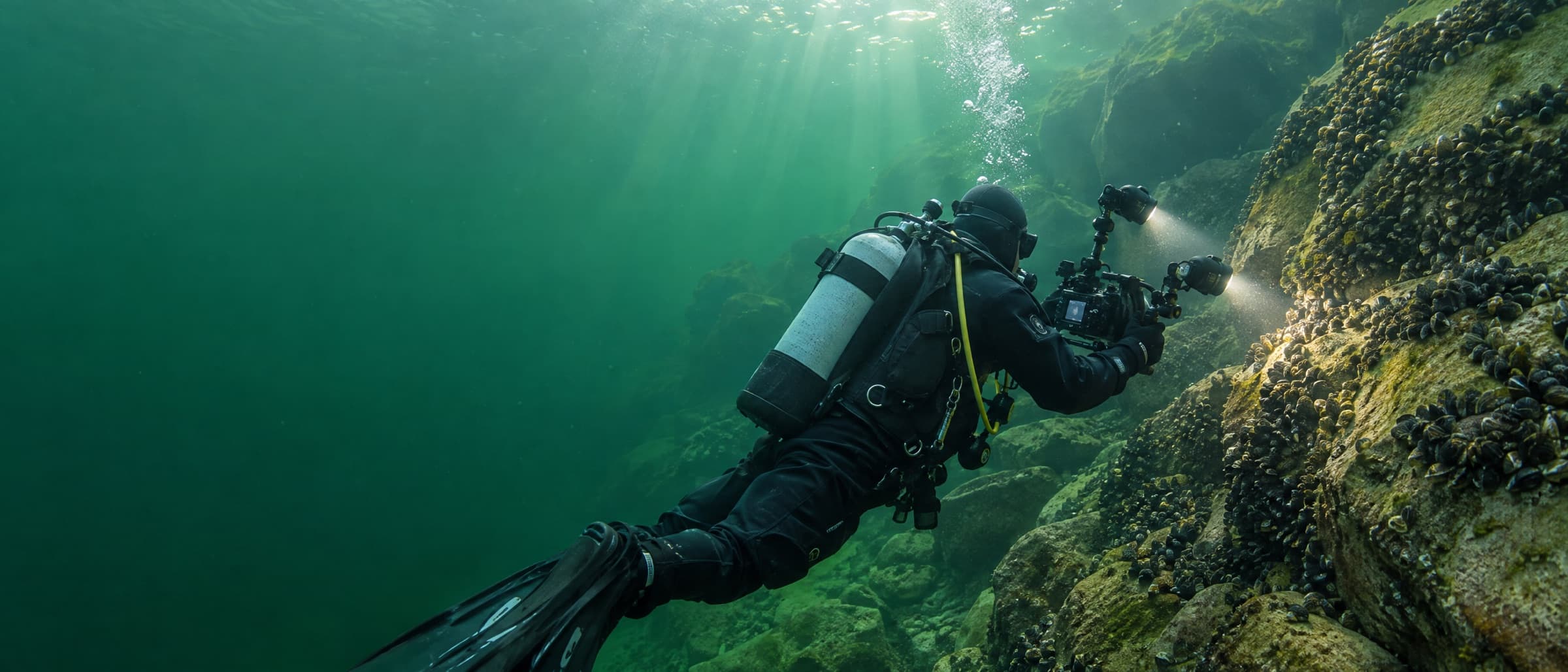

Early detection of invasive zebra mussels, built on lake-bed footage labeled by students and volunteer divers.
Read the story- underwater frames
- ~52,000
- zebra mussel detector
- Working
Beyond Vision: CVAT Goes Multimodal and Introduces Audio Annotation. Learn more

CVAT turns camera-trap, underwater, and drone imagery into validated training data for wildlife monitoring, invasive species detection, and pollution tracking, trusted by teams like Robonotic.
Use cases
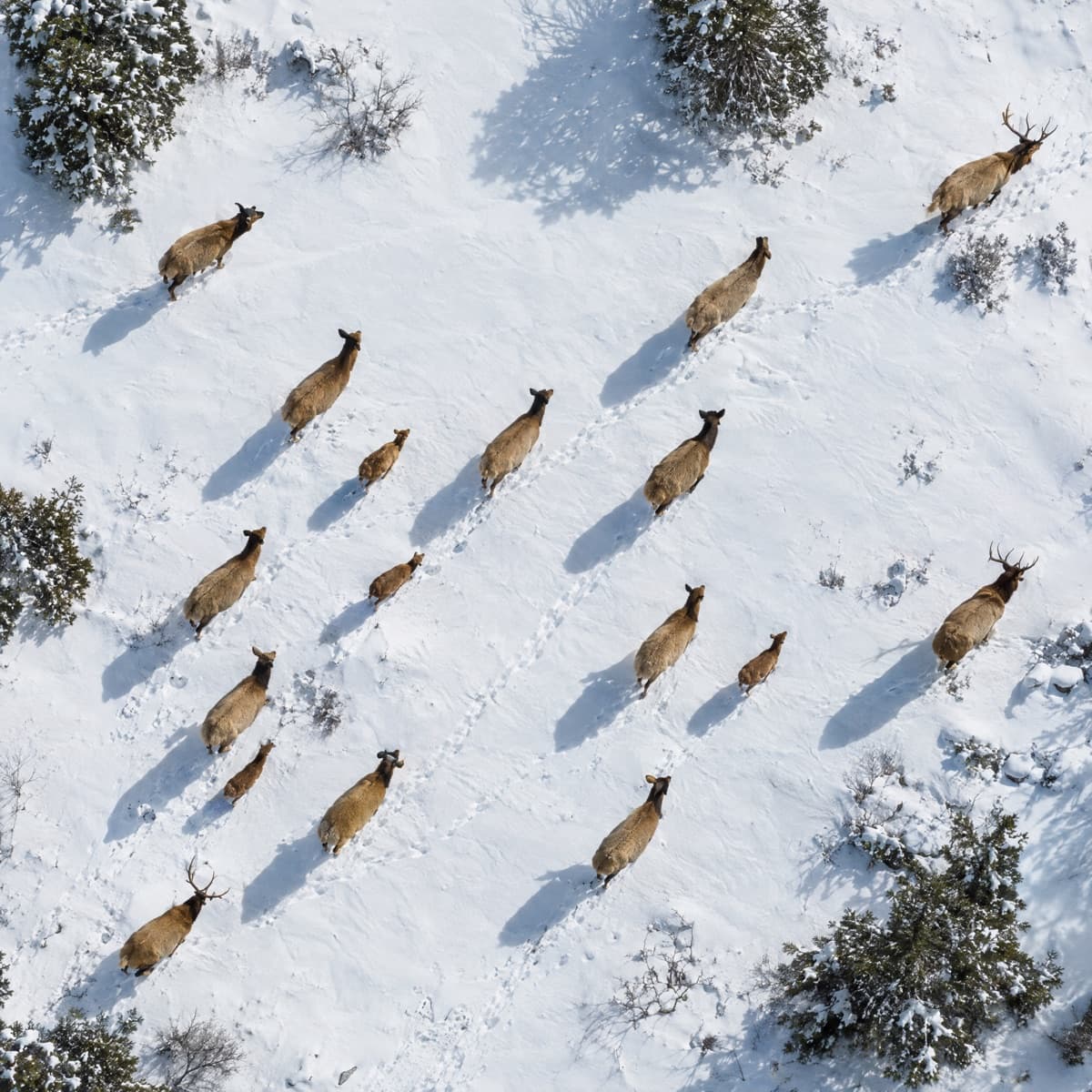
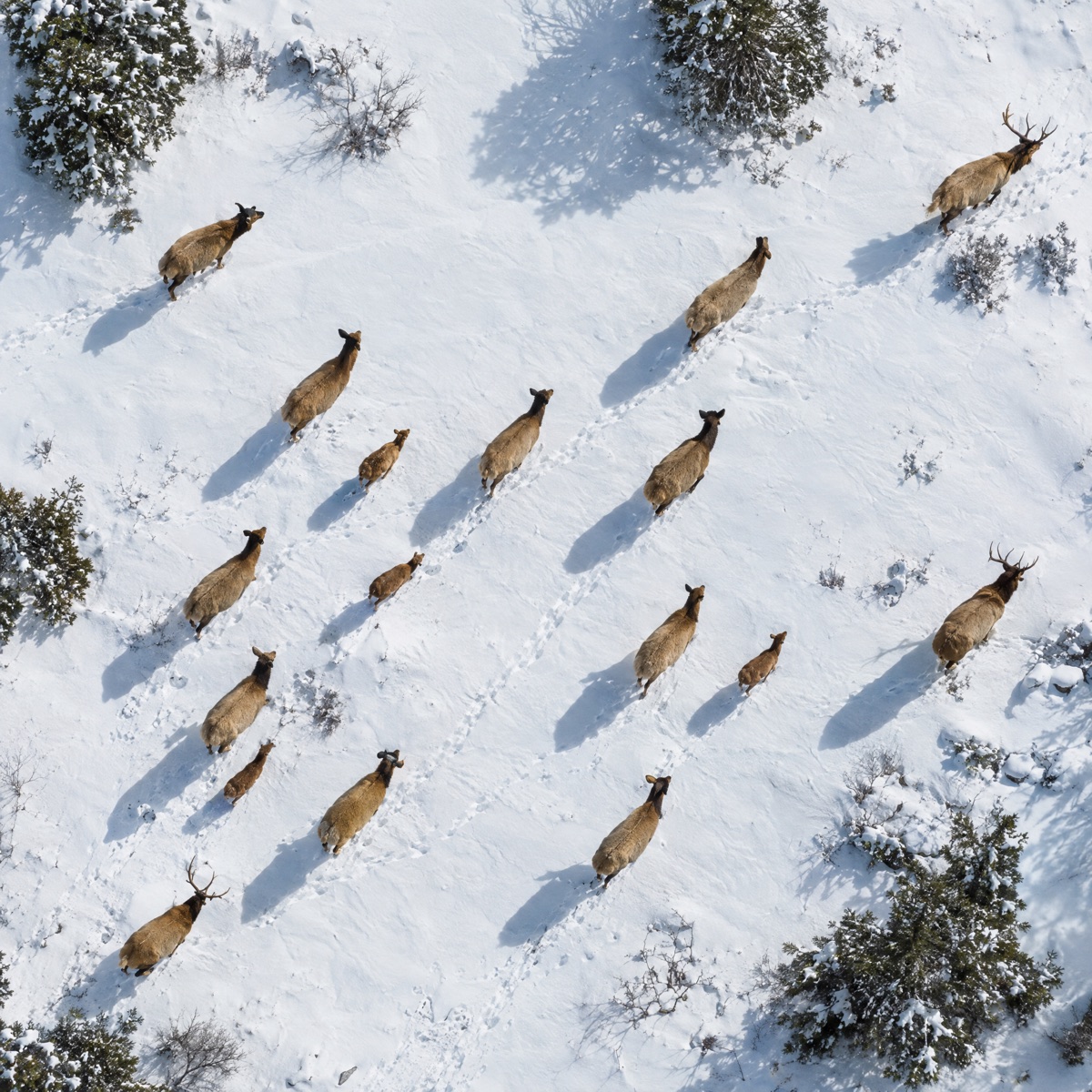
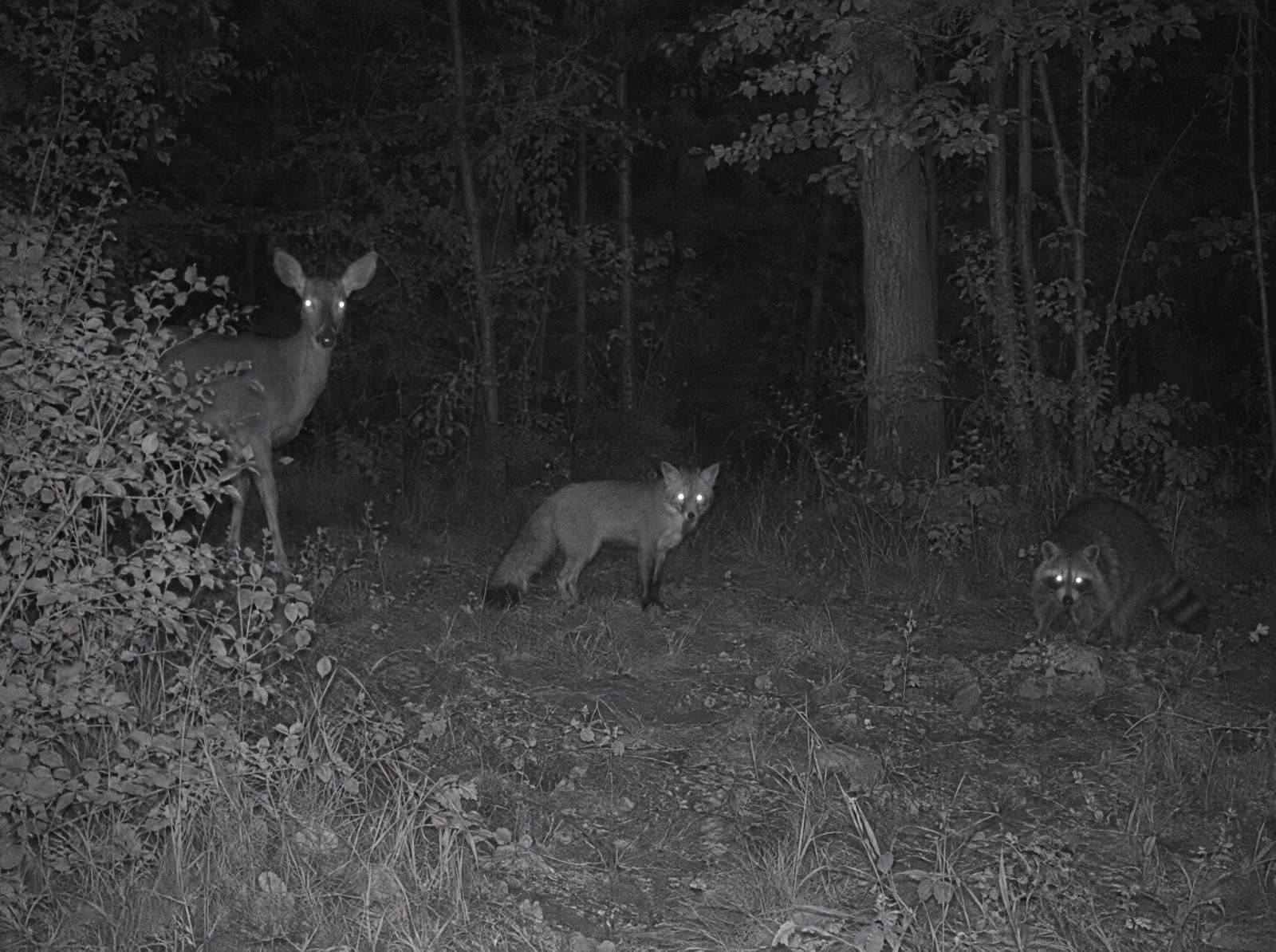
Detect and count animals across camera traps and drone surveys.
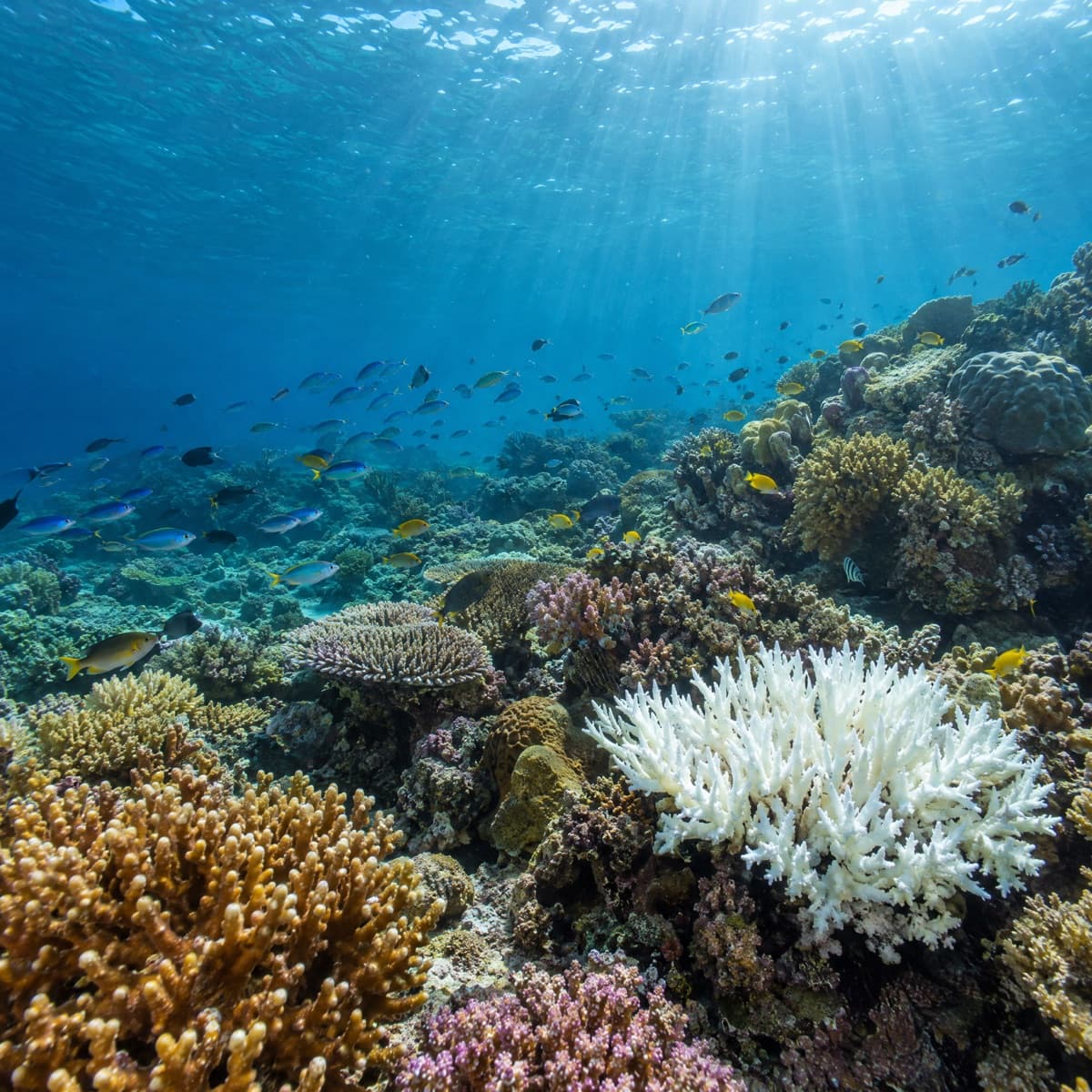
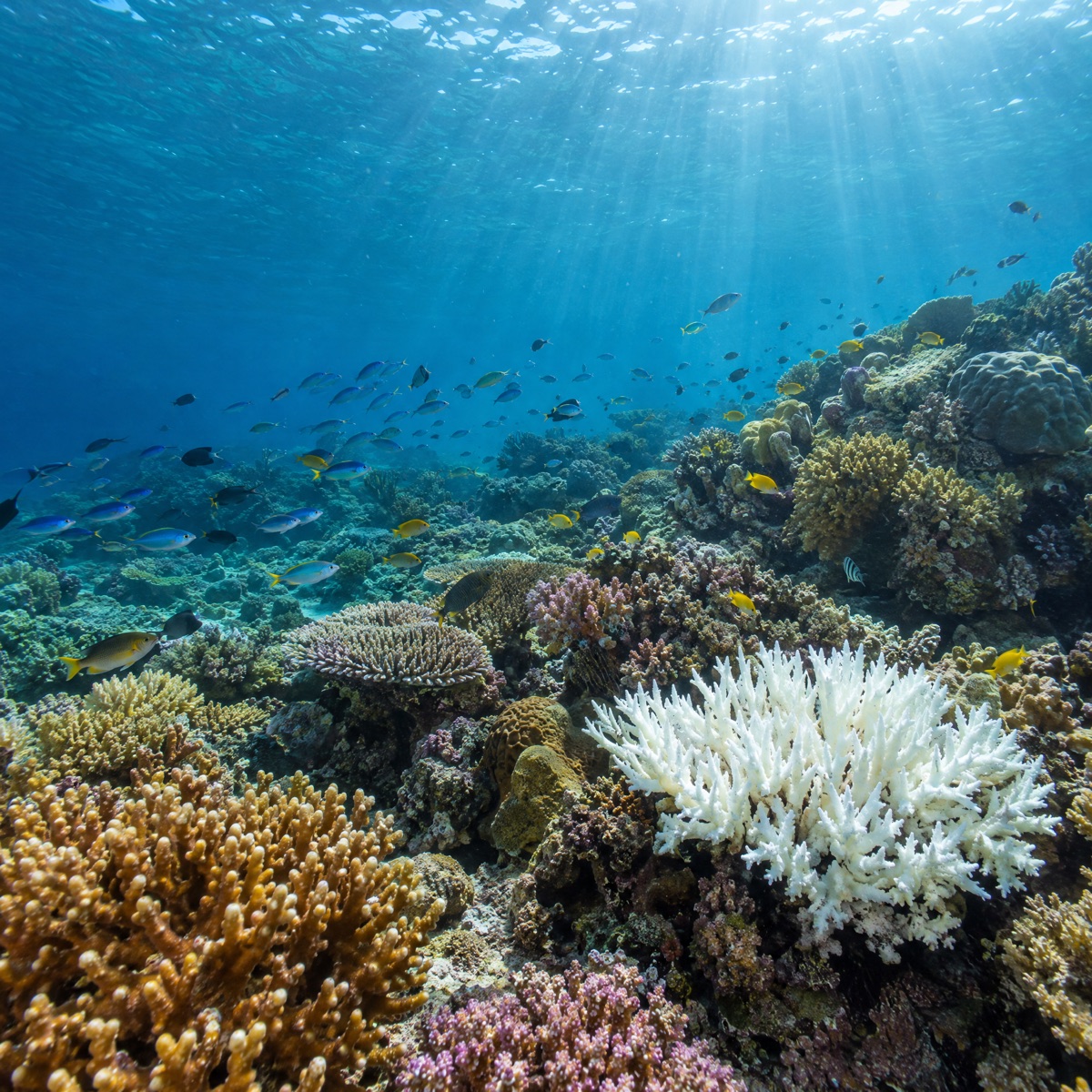
Spot invasive species, fish, and coral bleaching in dive footage.
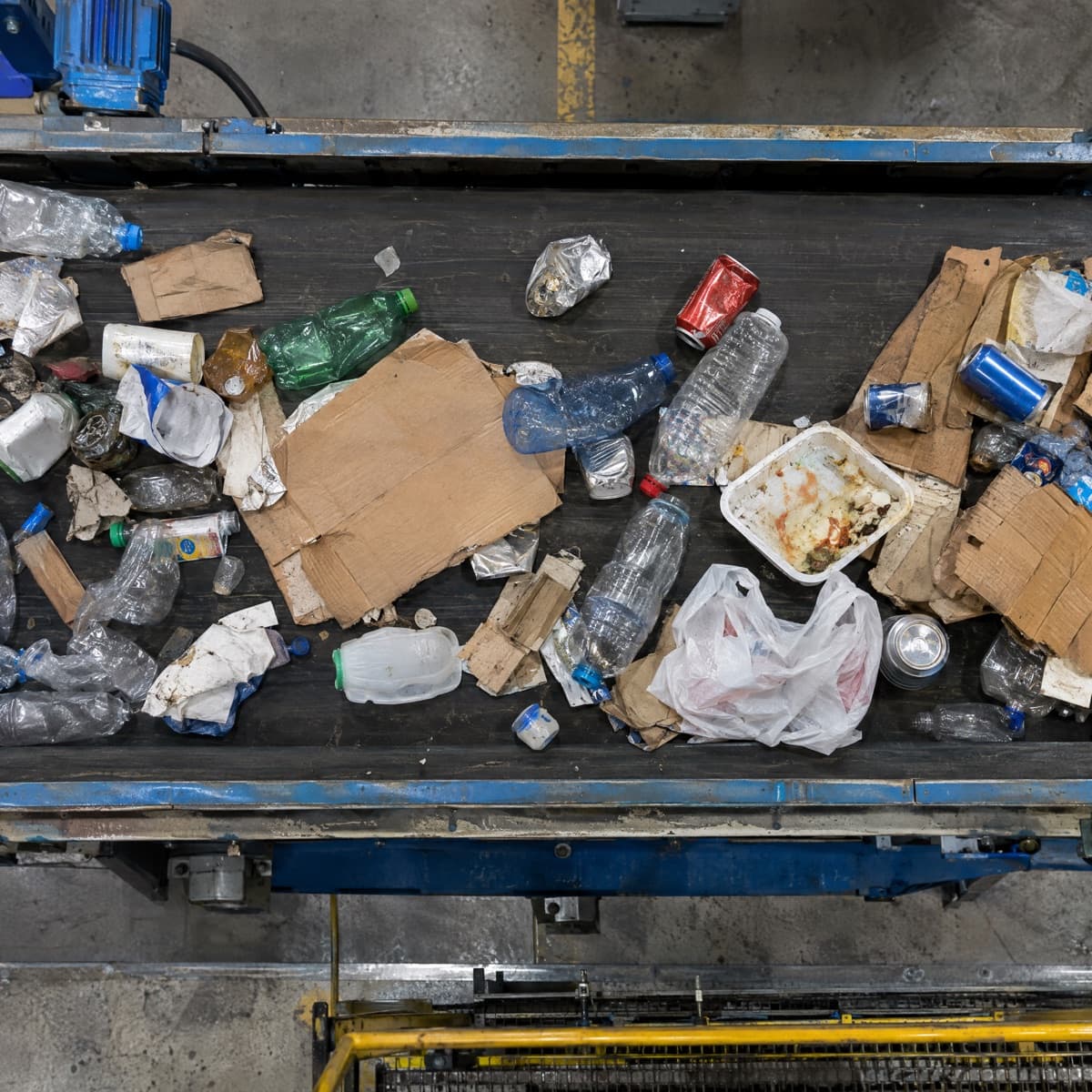
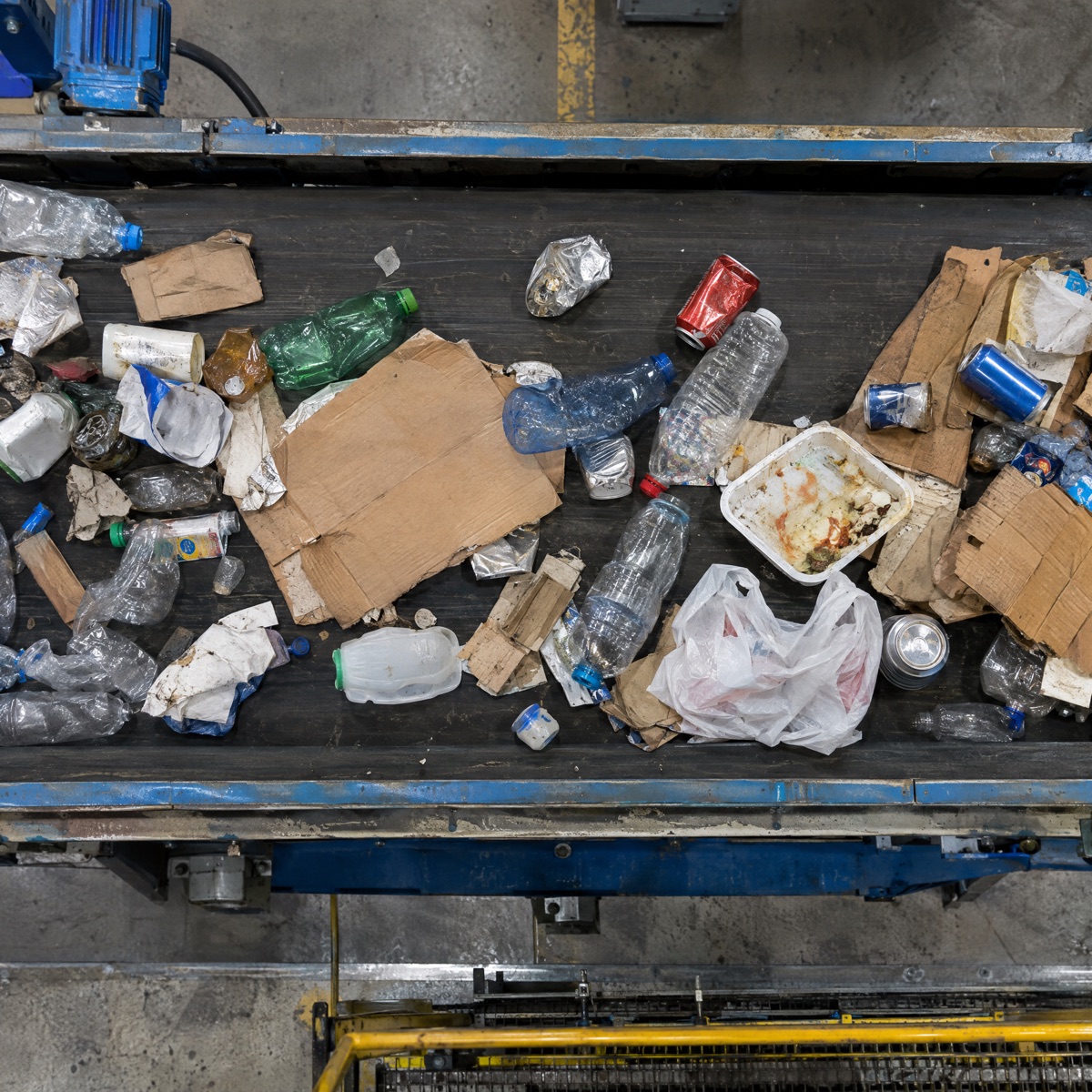
Classify waste fractions and contamination on every belt and bin.
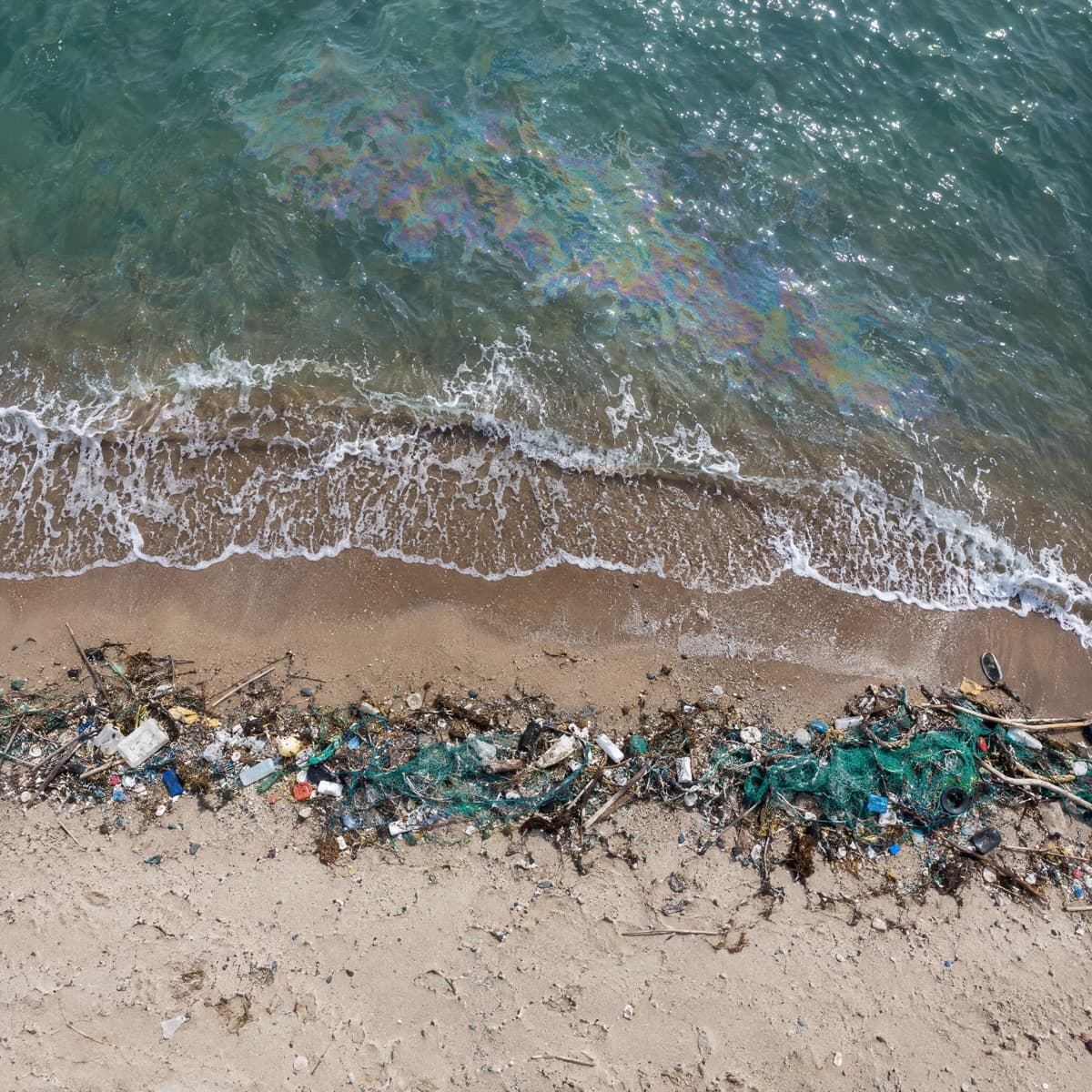
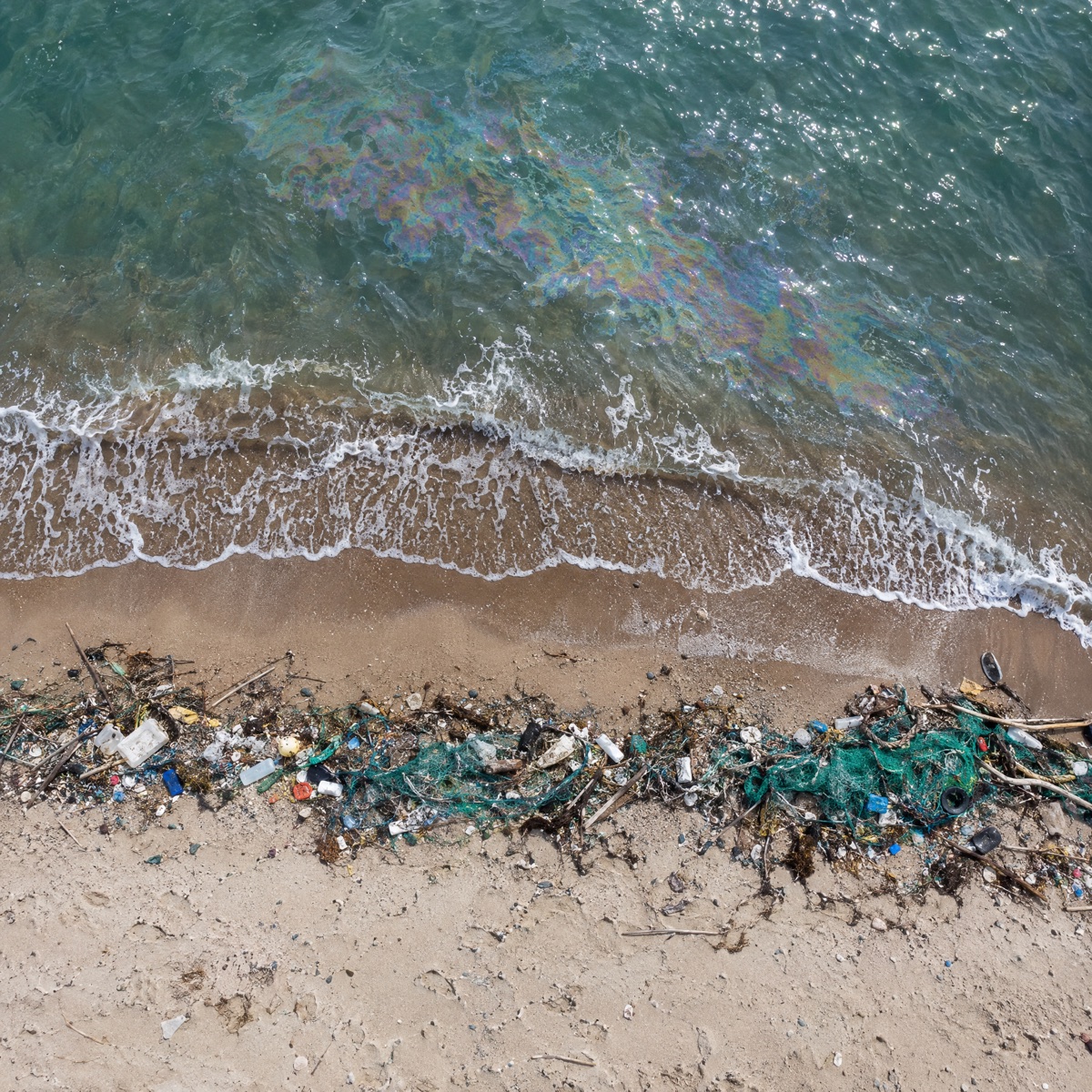
Map plastic debris, oil sheen, and erosion along coastlines.
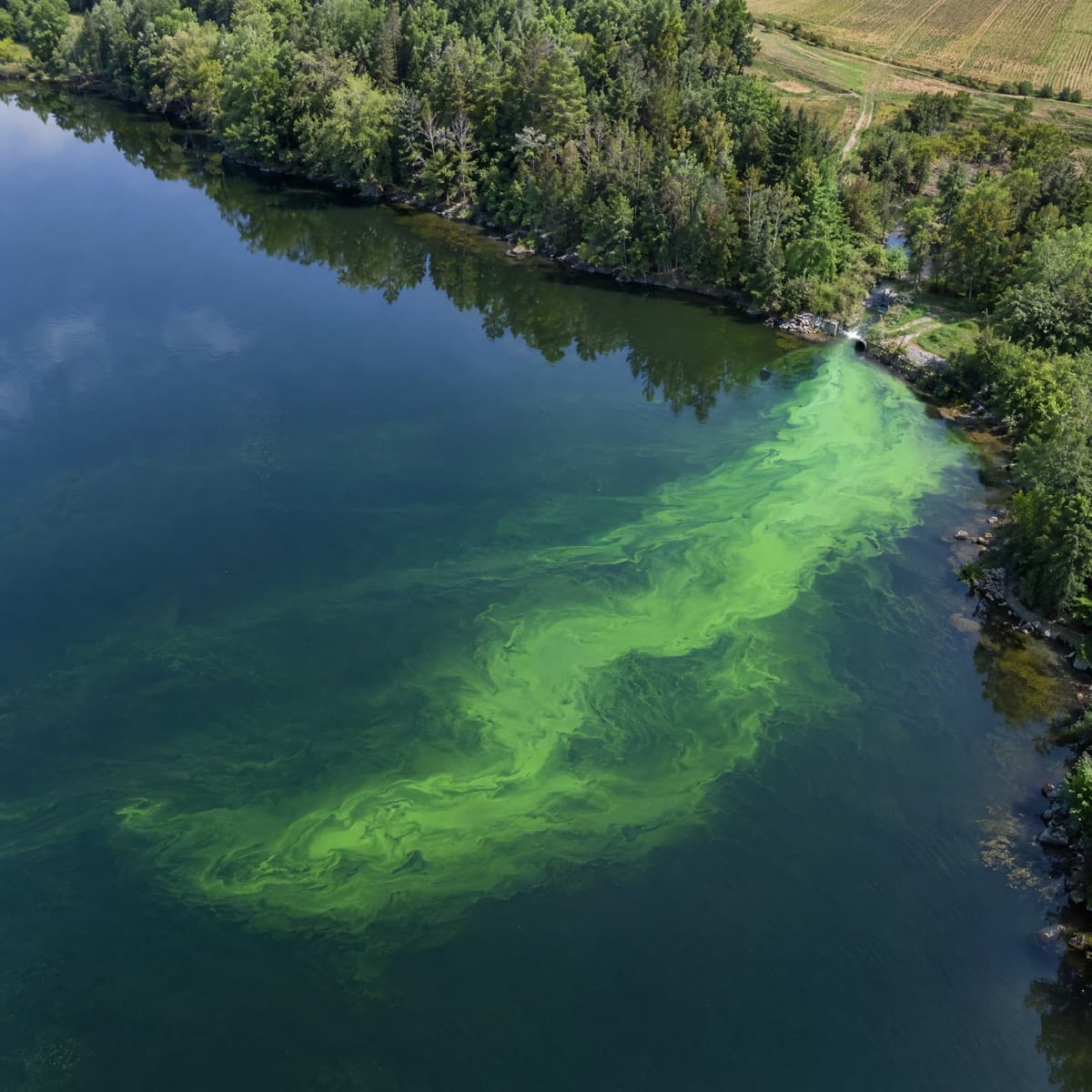
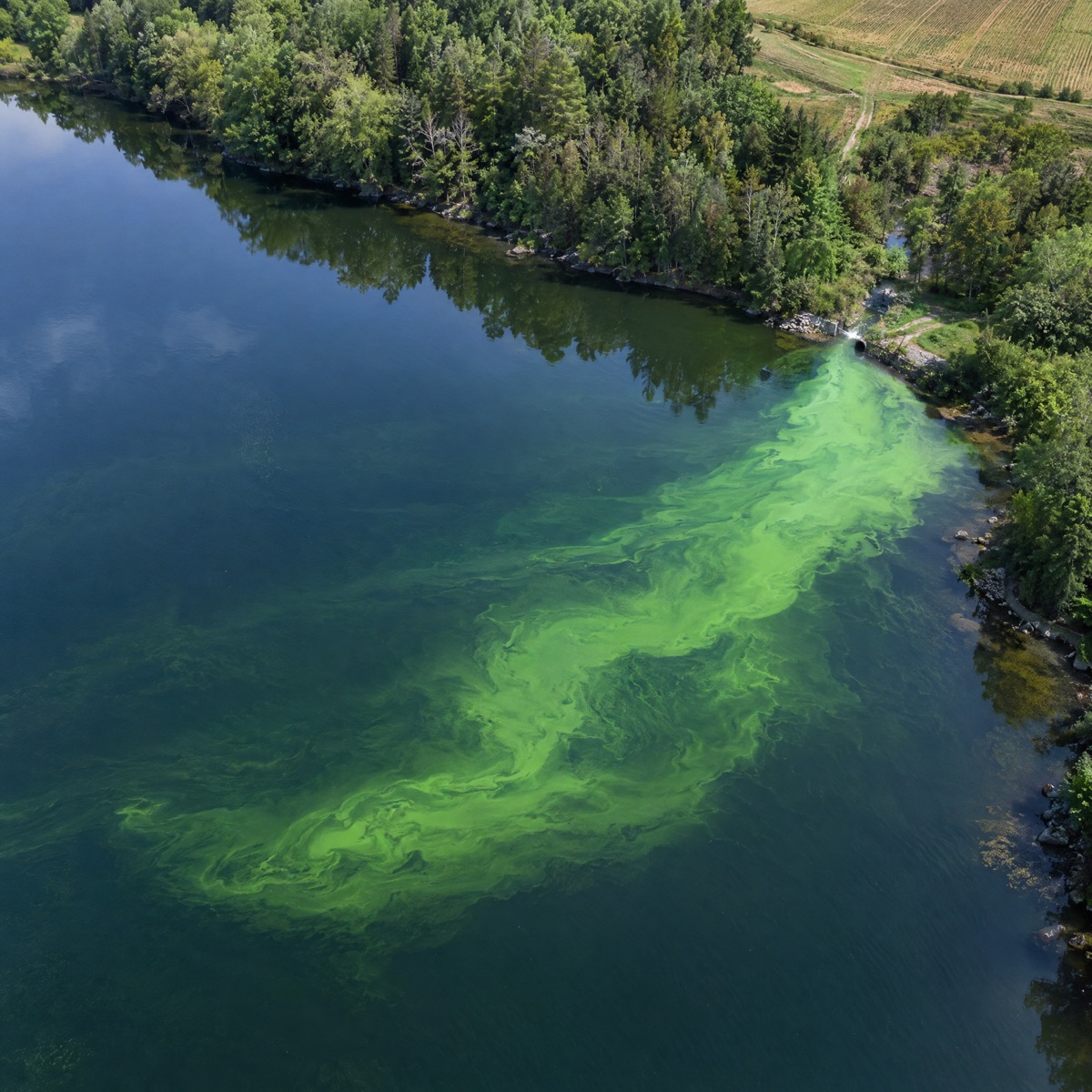
Flag blooms, runoff, and spills from drones and fixed cameras.
Integrate Seamlessly
Connect your field cameras, survey archives, existing labels, and review stages as they are. Nothing to re-plumb.
Book a demoAccelerate Validation
AI pre-labels every image. Your ecologists or our experts fix what it misses.
Book a demo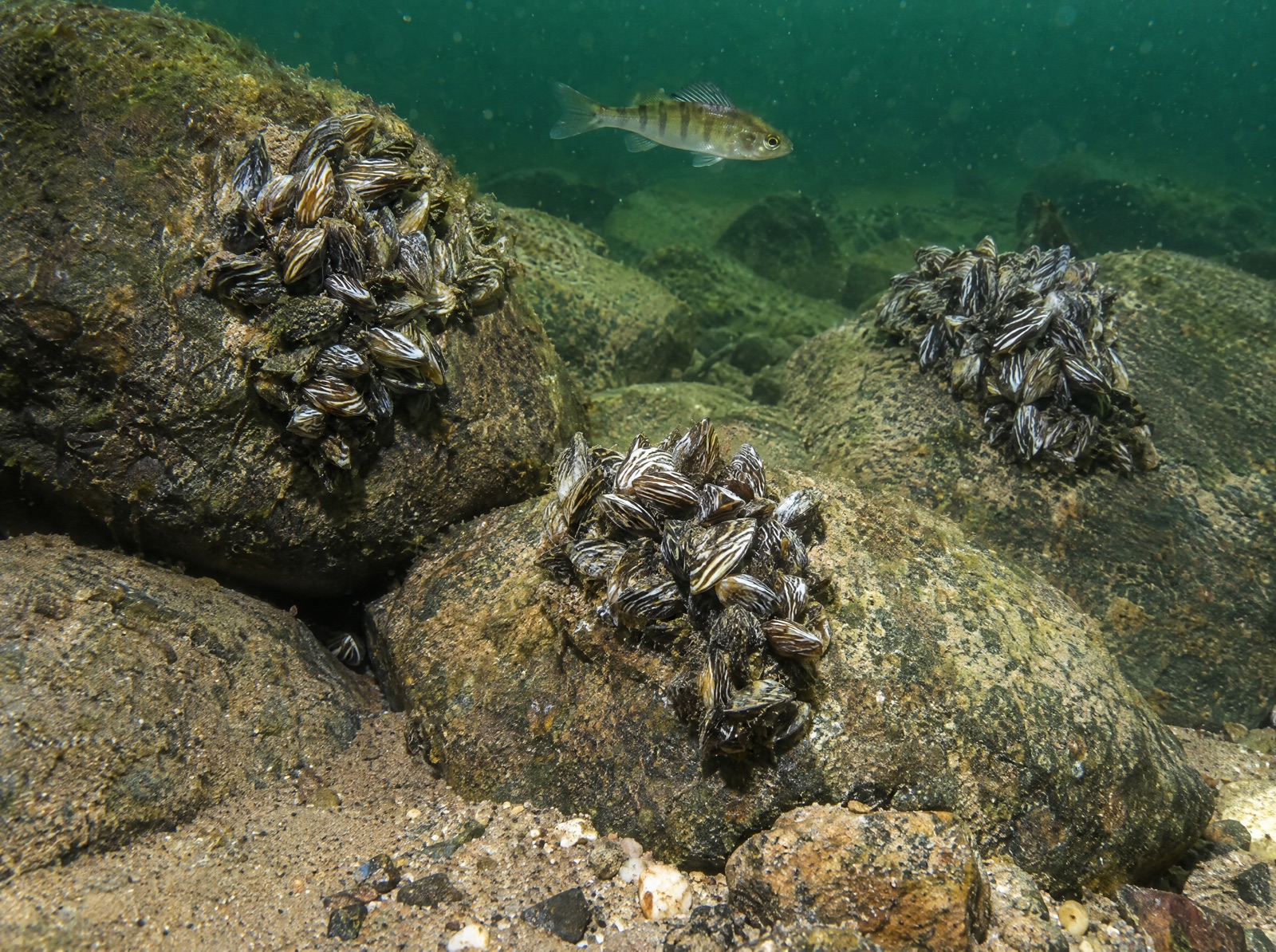
Ship with Confidence
Every job is scored against ground truth, so only clean data reaches training.
Book a demoMean annotation quality
98.4%
Target 95%
Honeypots
Early detection of invasive zebra mussels, built on lake-bed footage labeled by students and volunteer divers.
Read the story